Table of Contents
- Introduction
- Cost Efficiency
- Scalability and Flexibility
- Enhanced Accessibility and Mobility
- Real-Time Data and Analytics
- Automatic Updates and Security
- Streamlined Business Processes
- Improved Customer Relationship Management
- Supporting Remote Work Environments
Introduction
Small businesses today face mounting pressure to stay agile and efficient amid rapidly changing market conditions. To meet these demands, many are turning to cloud-based Enterprise Resource Planning (ERP) solutions as the backbone of their operations. These platforms promise more than integration—they offer a transformative way to run a business by simplifying processes and reducing costs. For businesses looking to maximize these benefits and navigate the transition smoothly, partnering with the right ERP consulting company is critical for success and optimized deployment.
Cloud ERPs provide multiple advantages over traditional systems, from cost savings to remote workforce enablement. These platforms reduce the need for cumbersome on-premise hardware, improve data consistency, streamline management, and offer peace of mind through ongoing security enhancements and support. Adopting these solutions fuels small business growth and provides competitive advantages within tight markets.
Cost Efficiency
The capital required for traditional ERP solutions often puts them out of reach for smaller organizations. With cloud-based ERP, however, small businesses avoid the heavy upfront investment in servers, complex network infrastructure, and yearly license renewals. Instead, cloud solutions work on subscription models—paying only for what they use, which empowers businesses to dedicate funds to growth initiatives rather than IT maintenance. According to Forbes, cloud computing offers dramatic operational savings for businesses of all sizes.
Scalability and Flexibility
Business needs are rarely static, and cloud ERP solutions make it easier for organizations to scale on demand. Whether your business needs to add users, integrate new workflow modules, or expand into different locations, cloud ERP can adjust instantly without interrupting business continuity. This flexibility is especially vital to fast-growing companies or those with seasonal swings: scalability becomes a seamless digital process, not a hardware-driven bottleneck.
Enhanced Accessibility and Mobility
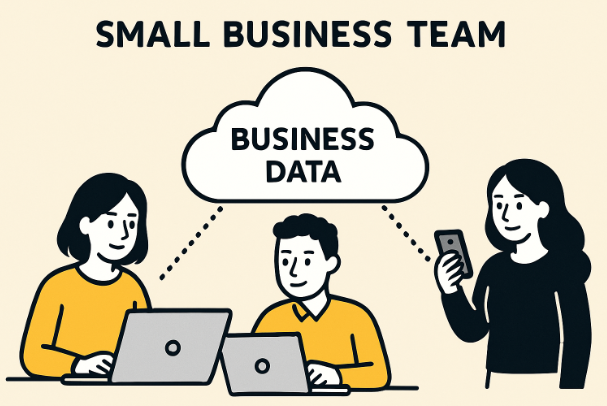
Remote and hybrid work arrangements are now the norm, and cloud ERP systems offer unparalleled mobility by keeping the platform accessible on any device connected to the internet. This ensures that employees, regardless of location, have secure access to critical business data. The resulting boost in collaboration, communication, and operational readiness means businesses can respond quickly to challenges or market opportunities.
Real-Time Data and Analytics
Cloud-based ERP platforms provide users with live dashboards and analytics that reflect the most current business performance metrics. Real-time insights into areas such as inventory, finances, or customer orders enable leaders to make high-impact decisions backed by up-to-date evidence rather than intuition. This immediacy allows for better resource allocation and a sharper response to market trends—key drivers for business growth and competitive differentiation.
Automatic Updates and Security
Unlike conventional software that requires manual upgrading and frequent monitoring by IT teams, cloud ERP systems receive automatic updates directly from the software provider. These updates keep features current and apply crucial security patches, helping protect sensitive business data against emerging threats. Major providers adopt enterprise-grade security standards, including multi-factor authentication and routine backups, ensuring robust data protection for small businesses. To learn more about best-in-class security practices, check out CSO Online’s guide to data security strategies.
Streamlined Business Processes
The integration capabilities of cloud ERP allow for seamless data flow across critical business departments—automating accounting, HR, supply chain, and CRM operations. By reducing or eliminating manual data entry, businesses can improve accuracy, save time, and focus resources on strategy rather than administration. Small businesses, in particular, benefit from tools that scale with them, letting them stay lean and agile without overworking their teams.
Improved Customer Relationship Management
Modern cloud ERP solutions include robust CRM functionality, helping businesses personalize service, track sales cycles, and foster long-term customer relationships. Having customer histories, interaction logs, and sales information in a unified platform empowers sales and support teams and drives retention and loyalty. Satisfied customers are more likely to recommend and return, which is essential for small businesses looking to build strong reputations and achieve steady growth.
Supporting Remote Work Environments
The shift to remote and hybrid work has dramatically increased the demand for cloud-based business solutions. Cloud ERPs allow staff to collaborate, share files, and communicate in real time, no matter where they’re working. This supports higher productivity, business resilience, and flexibility, giving small businesses the stability and resources they need to keep operations moving even in uncertain times. According to a New York Times analysis, remote readiness has become vital in post-pandemic business continuity planning.
Cloud-based ERP systems deliver a powerful combination of cost savings, real-time intelligence, and operational flexibility that benefits small businesses. These platforms simplify business management and position organizations for growth and long-term success by supporting innovation, remote collaboration, and exceptional customer service.